
Each month, our experts provide an overview of the key market highlights, an analysis of the macroeconomic environment, and insights into the convictions that shape our investment strategy in emerging market debt.
In July, tensions between the United States and Iran dominated the markets, alongside uncertainties
surrounding the Fed, AI funding and volatility in the technology sector. US yields rose, particularly at longer maturities, driven by higher oil prices and inflationary fears. In emerging markets, Asia benefited from the semiconductor cycle, whilst EEMEA and Latin America were weighed down by geopolitical risks and inflation. Despite a slowdown in capital inflows, solid fundamentals limited the widening of spreads to +3 bp for emerging market corporate debt and +9 bp for emerging market sovereign debt.
Figure of the month
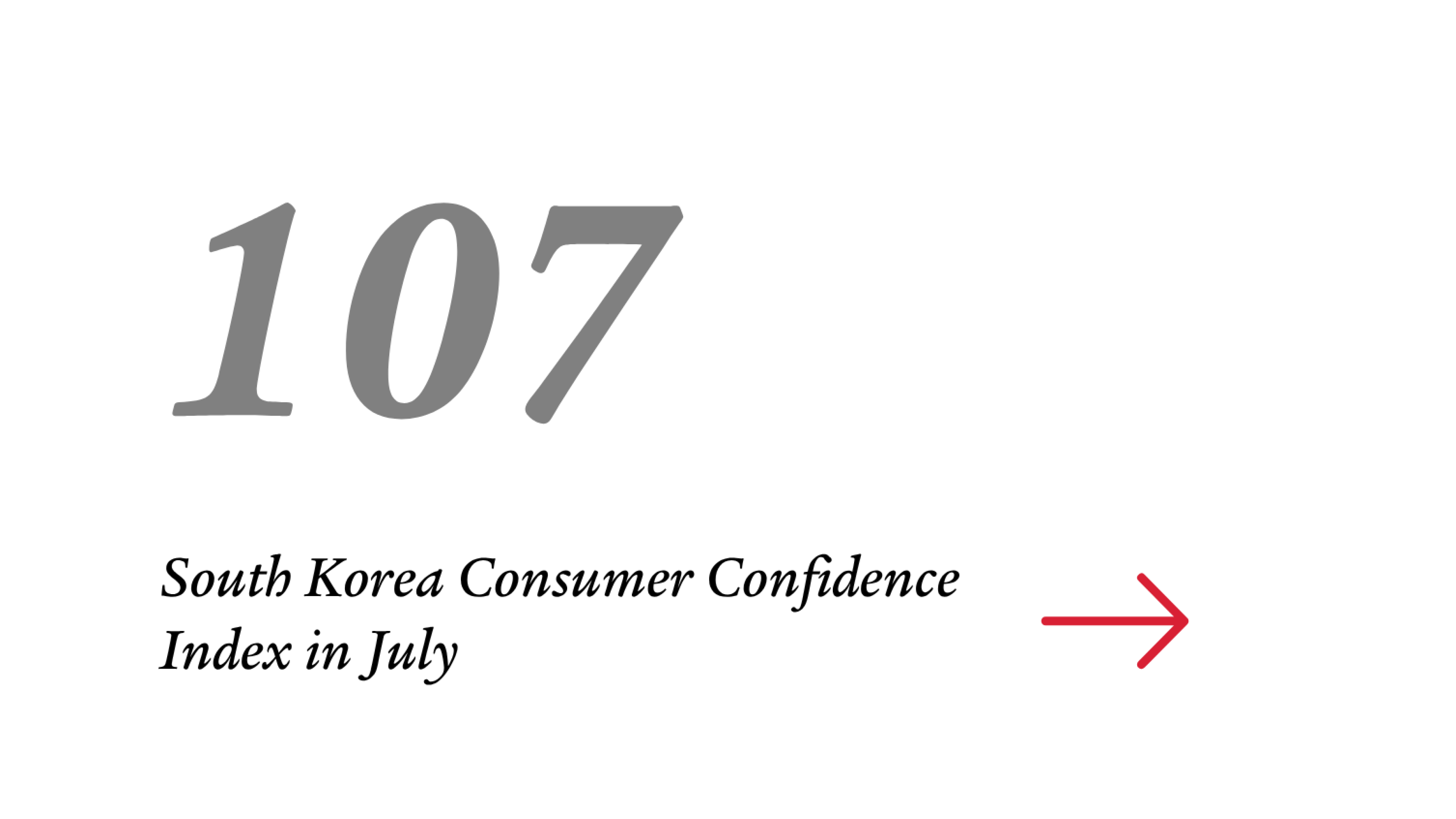
South Korea and Taiwan posted stronger-than-expected economic growth in the second quarter, driven by the strong performance of the semiconductor industry linked to the rise of artificial intelligence. This growth is no longer benefiting only the technology sector. It is now spreading more broadly across the economy, supporting industrial production, household spending, and consumer confidence. In South Korea, consumer confidence increased for the third consecutive month in July. Although both countries remain dependent on AI-related demand, growth is becoming more diversified and therefore more resilient, extending beyond semiconductors alone.